Best Treatments for Plantar Fasciitis Pain
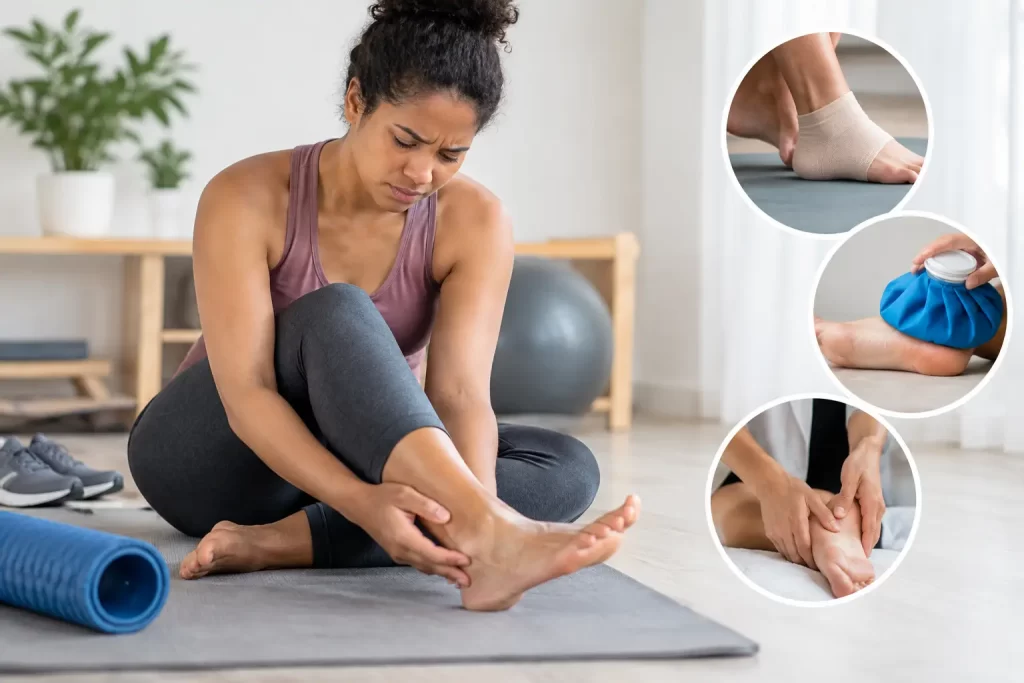
That sharp first step out of bed can make a normal morning feel like a negotiation. Plantar fasciitis often causes pain at the bottom of the heel that is most noticeable after rest, then may return after long periods of standing, walking, or exercise. The best treatments for plantar fasciitis are rarely one single fix. They usually combine reducing irritation, improving how the foot and calf handle load, and addressing the daily habits that keep the tissue under strain.
For busy adults, heel pain can be especially frustrating because the things that trigger it are often unavoidable: commuting, standing at work, walking the dog, or staying active for stress relief. A thoughtful plan can help you keep moving while giving the plantar fascia a better opportunity to settle.
Why plantar fasciitis can linger
The plantar fascia is a thick band of connective tissue running along the sole of the foot from the heel toward the toes. It supports the arch and helps transfer force with each step. When that tissue is repeatedly overloaded, it can become painful and sensitive.
A sudden increase in running or walking is one possible trigger, but plantar fasciitis is not limited to athletes. Unsupportive or worn-out shoes, long hours on hard floors, tight calves, changes in body weight, and reduced foot strength can all contribute. Some people develop symptoms after a change in routine, while others cannot identify one clear cause.
This is why a one-size-fits-all approach often disappoints. Someone whose pain began after training for a race may need a different plan than someone who stands all day in dress shoes or wakes with severe heel pain after a period of inactivity.
Best treatments for plantar fasciitis start with load management
Resting completely is not always necessary or practical, but continuing the exact activity that caused the pain can keep the cycle going. The goal is to reduce the movements and conditions that sharply aggravate symptoms while maintaining comfortable activity.
For a few weeks, this may mean shortening walks, choosing lower-impact exercise such as cycling or swimming, avoiding barefoot time on hard floors, and breaking up long periods of standing when possible. Pain is useful information here. Mild discomfort that settles quickly may be manageable, while pain that escalates during activity or lingers into the next day suggests that the load is too high.
Supportive shoes can make a meaningful difference. Look for a stable heel, cushioning appropriate for your activity, and enough room through the toe box. A shoe does not need to be overly rigid, but very flat, thin, or worn-down footwear may offer too little support while symptoms are active. Some people benefit from over-the-counter arch supports or heel cups, particularly for time spent on hard surfaces. The best choice depends on your foot shape, shoes, and comfort, so an in-person assessment can be helpful.
Stretch the calf and foot, then build strength
Tightness in the calf and Achilles tendon can increase pull through the heel and sole of the foot. Gentle calf stretching is often a useful starting point, especially before those first morning steps. A simple wall stretch with the back knee straight targets one part of the calf; repeating it with a slightly bent back knee reaches another. Hold the stretch at a comfortable intensity rather than forcing it.
Plantar fascia-specific stretching can also help. Before getting out of bed, gently pull the toes back toward the shin and massage the arch with your other hand for several seconds. Rolling the sole of the foot over a ball or a chilled water bottle may feel soothing, but it should not become a painful grinding exercise.
Stretching alone may not be enough for persistent symptoms. Gradual strengthening helps the foot, ankle, and lower leg tolerate everyday demands more effectively. Depending on your symptoms, a clinician or physical therapist may recommend controlled calf raises, towel or toe exercises, balance work, and strengthening for the hips and legs. The details matter: doing too much too soon can flare the heel, while progressing too slowly may not build enough capacity.
Consider short-term tools when they fit your symptoms
Taping, a night splint, or an orthotic can be useful additions, not permanent substitutes for a broader plan. Taping may provide short-term support during a demanding workday or return to activity. A night splint keeps the ankle and foot in a more lengthened position during sleep and may be particularly helpful for people with pronounced pain on their first steps in the morning.
Cold therapy can temporarily reduce discomfort after activity. Try a cool pack wrapped in cloth for a brief period, or roll the foot over a chilled bottle if that feels good. Heat may feel better for stiffness before movement. Neither approach repairs the underlying issue on its own, but comfort measures can make it easier to stay consistent with your recovery plan.
Over-the-counter pain relievers may be appropriate for some people, but they are not right for everyone. If you have kidney disease, stomach ulcers, heart concerns, take blood thinners, are pregnant, or use other medications, ask your physician or pharmacist before taking anti-inflammatory medication.
How acupuncture can fit into plantar fasciitis care
Acupuncture may be a valuable complementary option for plantar fasciitis, particularly when pain has become persistent or is affecting sleep, mood, work, or normal activity. Treatment is not simply focused on the sore spot. A practitioner may assess tenderness in the foot and heel, calf tension, ankle mobility, gait patterns, activity demands, and the broader stress load that can make chronic pain harder to manage.
At Acupuncture Atlanta, care begins with a comprehensive health history and an individualized treatment plan. Acupuncture may be combined with appropriate modalities such as electrical stimulation, cupping, gua sha, or dry needling, depending on the findings and your comfort level. These approaches may help reduce muscle tension, support circulation, and improve movement tolerance as part of an integrated plan.
Chinese herbal medicine or supplements may also be discussed when appropriate, but natural does not automatically mean risk-free. Herbs should be selected by a qualified practitioner who understands your health history, medications, allergies, and treatment goals. For heel pain, they work best as a considered part of whole-person care rather than a replacement for supportive footwear, gradual strengthening, or medical evaluation when needed.
When to seek a medical evaluation
Heel pain is common, but not every painful heel is plantar fasciitis. A clinician can help rule out issues such as a stress fracture, nerve irritation, inflammatory arthritis, tendon problems, or other causes that need a different approach.
Seek prompt medical care if you cannot bear weight, have significant swelling, redness, warmth, fever, numbness, a wound, or pain following a serious injury. People with diabetes, poor circulation, neuropathy, or immune conditions should be especially careful about new foot symptoms.
If you have been consistent with conservative care for several weeks and are not improving, it is reasonable to consult a podiatrist, sports medicine clinician, physical therapist, or other qualified provider. They may recommend imaging when indicated, more structured rehabilitation, or other options. Corticosteroid injections can provide temporary relief for selected cases, but they carry potential risks and should be weighed carefully. More invasive treatments are generally reserved for stubborn cases that have not responded to a thorough conservative plan.
Give recovery enough time to work
Plantar fasciitis often improves gradually, not overnight. It is common to feel better for a few days, then have a flare after a long event, a travel day, or a return to old footwear. That does not necessarily mean you are back at the beginning. It may simply mean your foot needs a smaller increase in activity.
Track what makes symptoms better or worse, especially morning pain, standing tolerance, footwear, exercise, and recovery after activity. These details can turn a vague heel-pain routine into a plan that reflects your real life. With patient, personalized care, the aim is not only to quiet the immediate pain, but to help you return to movement with greater comfort, confidence, and vitality.


