Hot Flash Herbs: What May Help and What to Avoid
A hot flash can interrupt a meeting, wake you from sleep, or leave you feeling suddenly unlike yourself. Many people begin looking for hot flash herbs because they want relief that feels natural and supportive. Herbs can be a meaningful part of menopause care for some people, but the safest and most helpful choice depends on your symptoms, health history, medications, and the pattern of changes happening in your body.
Hot flashes are a common part of perimenopause and menopause, when changing estrogen levels affect the body’s temperature regulation. They can arrive as sudden warmth in the chest, face, or upper body, sometimes followed by sweating, chills, a racing heartbeat, irritability, or disrupted sleep. Frequency and intensity vary widely. For one person, a few mild episodes may be manageable. For another, nighttime sweating and poor sleep can affect mood, focus, energy, and daily quality of life.
Herbal care should not require guesswork. A product that helped a friend may be ineffective for you, interact with a medication, or be unsuitable for your medical history. A thoughtful plan starts by looking beyond the flash itself: sleep, stress, digestion, menstrual changes, energy, mood, and any existing health conditions all matter.
How hot flash herbs may support menopause care
Research on herbs for hot flashes is mixed, and no botanical works equally well for everyone. Some may modestly reduce the frequency or severity of symptoms, while others have limited or inconsistent evidence. Product quality also varies considerably, which is one reason professional guidance is valuable.
In Chinese herbal medicine, menopause symptoms are not treated as a single, identical condition. A practitioner considers the full presentation. Someone who feels overheated at night with dryness, restlessness, and insomnia may need a different approach than someone who experiences flushing alongside anxiety, digestive changes, fatigue, or pronounced chills after sweating. This individualized perspective helps avoid treating every hot flash with the same formula.
Black cohosh
Black cohosh is one of the most commonly discussed herbs for menopausal hot flashes. Some studies suggest it may help certain people, while others show little difference from placebo. Results can depend on the preparation, dose, and individual. It is not a simple substitute for hormone therapy, and it does not appear to act like estrogen in a straightforward way.
Safety deserves attention. Rare cases of liver injury have been reported in people using black cohosh, though cause and effect are not always clear. Anyone with liver disease, unexplained fatigue, dark urine, yellowing skin or eyes, or upper abdominal pain should seek medical guidance promptly and avoid self-prescribing this herb.
Soy and other phytoestrogen-rich foods
Soy foods contain isoflavones, plant compounds sometimes called phytoestrogens. Foods such as tofu, edamame, tempeh, and soy milk may be associated with modest hot flash improvement for some women, particularly when consumed consistently as part of an overall nourishing diet. Whole foods are generally a more grounded starting point than high-dose supplements.
Whether soy supplements are appropriate depends on personal history. If you have had estrogen-sensitive cancer, are taking endocrine therapy, or have been advised to limit phytoestrogens, speak with your oncology or medical team before making changes. Individual recommendations can differ based on diagnosis and treatment.
Sage, red clover, and evening primrose
Sage is sometimes used for excess sweating and hot flashes. Small studies are encouraging, but the evidence is still limited, and concentrated preparations may not be right for everyone. Sage products can vary in strength, and some forms contain compounds that can be problematic in high amounts.
Red clover contains isoflavones and is another popular option, but study results for hot flashes remain inconsistent. It may not be appropriate with blood-thinning medication or in certain hormone-sensitive conditions. Evening primrose oil is widely marketed for menopausal symptoms, yet research has not shown reliable benefit for hot flashes. Natural does not automatically mean low-risk or effective.
Chinese herbal formulas
Chinese herbal medicine often uses carefully balanced formulas rather than a single herb. The ingredients, preparation, and dosage are selected to match the person rather than simply target one symptom. A customized formula may be considered alongside acupuncture when hot flashes occur with poor sleep, anxiety, headaches, fatigue, or other concerns that deserve care in their own right.
This is not a do-it-yourself approach. Chinese herbs can be active medicines, and formulas should be prescribed by a trained practitioner who knows your full health history and reviews your medications and supplements. High-quality sourcing and appropriate dosing are essential.
When an herb may not be the first step
If hot flashes are new, severe, or accompanied by other concerning changes, it is wise to start with a medical evaluation. Thyroid conditions, medication effects, infections, blood sugar shifts, and other health concerns can sometimes resemble or worsen menopause symptoms. Sudden palpitations, chest pain, fainting, unexplained weight loss, fever, or heavy or unusual bleeding deserve prompt attention.
Herbal decisions also require extra care during pregnancy, while breastfeeding, before surgery, and when taking prescription medications. This includes hormone therapy, antidepressants, blood thinners, seizure medications, diabetes medications, and medications metabolized by the liver. Bring every product you take to your appointment, including teas, gummies, powders, and supplements purchased online.
For people with a history of breast, ovarian, uterine, or endometrial cancer, menopause care should be coordinated with the appropriate medical team. There may still be supportive options available, but the plan needs to respect the details of your diagnosis and treatment.
A more complete plan for hot flashes
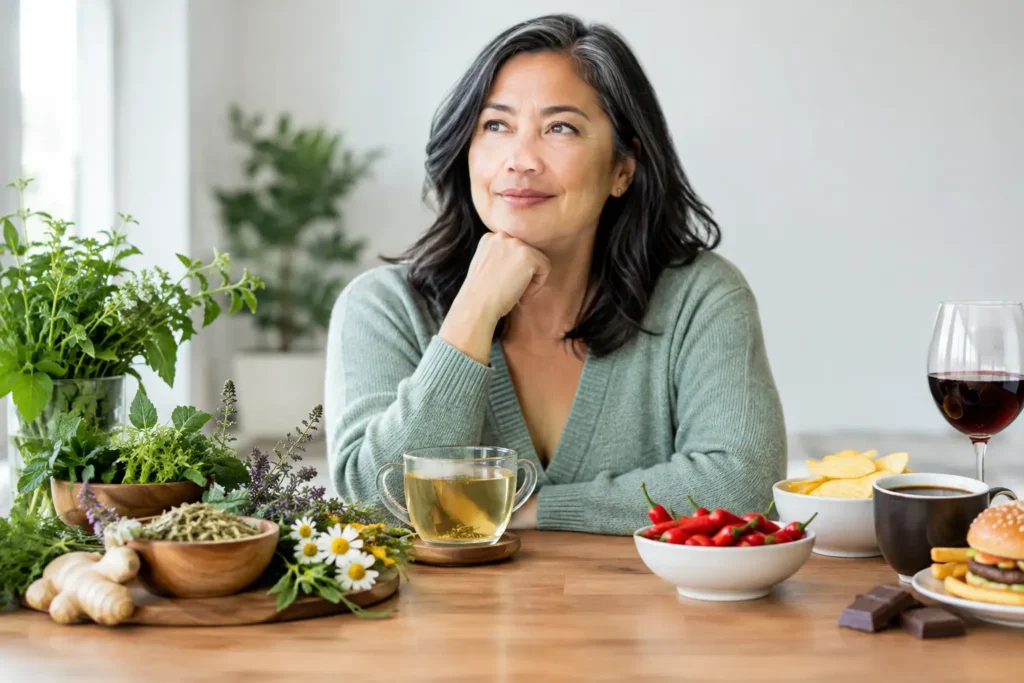
Herbs tend to work best as one part of a broader plan, not as a standalone fix. Identifying personal triggers can make a noticeable difference. Alcohol, spicy foods, caffeine, warm rooms, tight synthetic clothing, and stressful periods commonly contribute, although triggers are highly individual. A brief symptom journal can help reveal patterns without turning daily life into a rigid project.
Sleep support is often central. Keep the bedroom cool, use breathable bedding, and consider a consistent wind-down routine that helps your nervous system shift out of work mode. Regular movement can support mood, circulation, stress resilience, and sleep, while eating regular meals with adequate protein and fiber may help steady energy through the day.
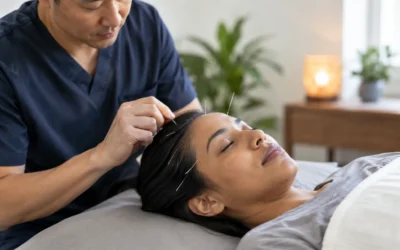
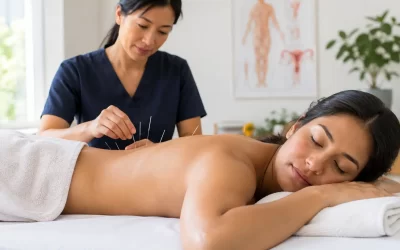
Acupuncture may also be a useful complementary option for people seeking non-hormonal support. Treatment is customized according to the symptoms affecting you most, whether that is frequent flushing, night sweats, insomnia, anxious feelings, headaches, or fatigue. Some patients benefit from combining acupuncture with a carefully selected Chinese herbal formula, while others may prefer acupuncture, lifestyle adjustments, or conventional treatment alone.
Choosing herbal support with confidence
Before starting any menopause supplement, look for a clear ingredient list, a stated dose, and a company that provides meaningful quality testing. Avoid proprietary blends that do not disclose how much of each herb they contain. Be especially cautious of products promising immediate hormone balance, dramatic weight loss, or a complete cure for menopause symptoms.
During an individualized intake, a qualified practitioner can review your symptoms, menstrual and health history, medical diagnoses, medications, sleep, stress load, and goals for care. That conversation creates space for the details that labels and online reviews cannot capture. At Acupuncture Atlanta, this whole-person approach helps guide care that is tailored to your changing needs rather than built around a one-size-fits-all supplement.
You do not have to simply endure hot flashes, and you do not have to choose between natural care and informed care. The right next step may be an herbal formula, an adjustment to your daily routine, acupuncture, medical treatment, or a combination that helps you sleep more soundly and feel more like yourself again.