Does Facial Acupuncture for Wrinkles Work?
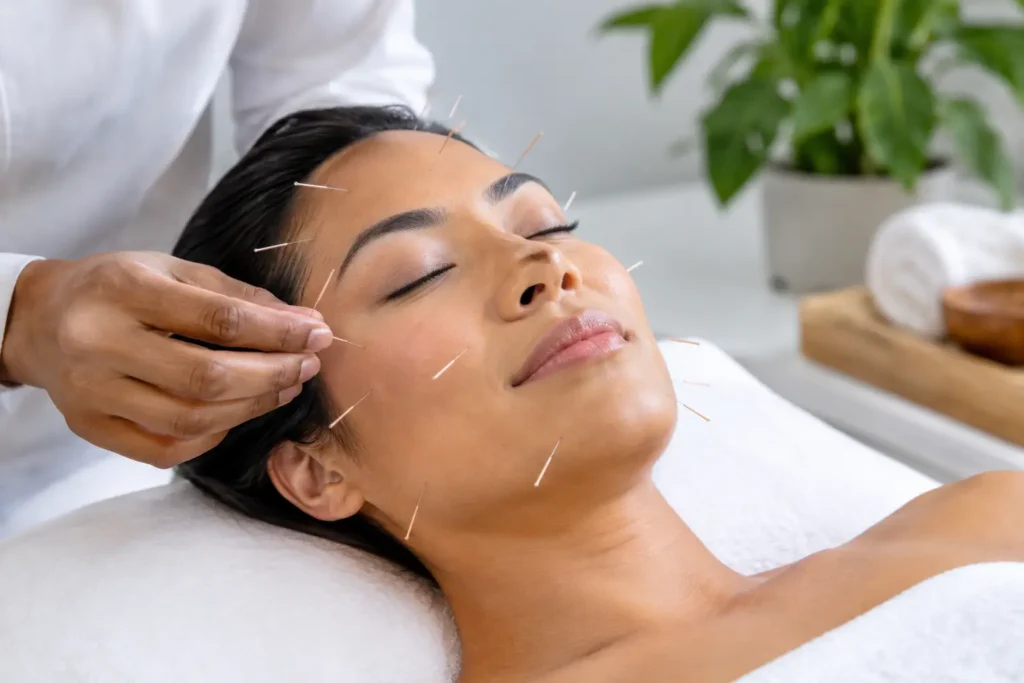
A wrinkle rarely tells only one story. It may reflect years of sun exposure, but it can also become more noticeable during a season of poor sleep, jaw tension, high stress, dehydration, or hormonal change. Facial acupuncture for wrinkles takes that broader view, using carefully placed, sterile needles to support circulation, muscle balance, and overall well-being rather than treating the face as separate from the rest of the body.
For people who want a natural, individualized approach to skin aging, facial acupuncture can be a thoughtful option. It is not a replacement for sunscreen, dermatologic care, or medical treatment when those are needed. It also does not promise an overnight transformation. Its value is in a gradual, whole-person plan that supports a rested, healthy-looking appearance while addressing patterns that may be affecting how you feel day to day.
How Facial Acupuncture for Wrinkles Is Different
Cosmetic acupuncture is a form of acupuncture that focuses on points in the face, scalp, and body. Very fine needles are placed strategically based on your skin concerns, facial tension, health history, and Chinese medicine assessment. A treatment may include local facial points as well as points on the hands, feet, arms, or legs that support stress regulation, sleep, digestion, or circulation.
This matters because facial changes are not always just skin-deep. A person who clenches their jaw may develop pronounced tension through the lower face. Someone who is exhausted or under sustained pressure may notice puffiness, dullness, or a more drawn expression. In Chinese medicine, the goal is to encourage balance and healthy flow throughout the body, which may in turn support the complexion.
Facial acupuncture is sometimes compared with injectable cosmetic treatments, but the approaches are fundamentally different. Neuromodulators and fillers are medical aesthetic procedures designed to create specific structural or muscle-relaxing effects. Acupuncture does not work in that way. It is generally chosen by patients who prefer a subtle, gradual approach or who want to complement their existing wellness routine with care that also considers stress, sleep, and vitality.
What Results Can You Realistically Expect?
Patients often seek facial acupuncture because they want their face to look more rested, less tense, or more radiant. Some notice a temporary post-treatment glow, likely related to increased local circulation. With a consistent series of treatments, people may feel that fine lines appear softer, facial tension has eased, or their overall appearance looks more refreshed.
Results vary considerably. Skin quality is influenced by genetics, age, sun exposure, smoking, hydration, nutrition, sleep, stress, menopause, medications, and skincare habits. Deeper, established wrinkles will not disappear simply because acupuncture needles are used. Honest care means recognizing that no single treatment can override every factor involved in skin aging.
Research on cosmetic acupuncture is still limited, and larger, high-quality studies are needed to clarify how much it can change wrinkles and for whom. That does not make individual experiences unimportant, but it does mean expectations should remain grounded. A qualified practitioner should discuss goals openly and avoid guarantees.
For many patients, the most meaningful result is not a dramatically different face. It is looking more like themselves after a period of strain: softer around the eyes, less tight through the jaw, and more connected to the routines that support their health.
What Happens During a Treatment?
A facial acupuncture visit begins with listening. Before planning treatment, your practitioner should ask about your health history, medications and supplements, skincare routine, sleep, stress level, digestion, menstrual or hormonal health when relevant, and any recent cosmetic procedures. At Acupuncture Atlanta, care is built around this whole-person assessment rather than a standard set of facial points for every patient.
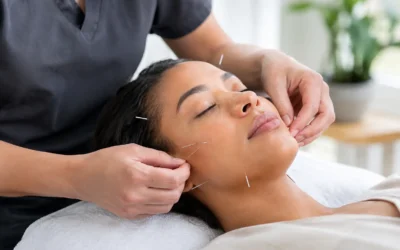
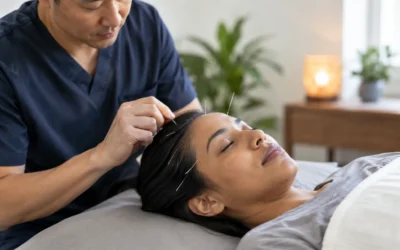
During treatment, you will rest comfortably while very thin, single-use sterile needles are inserted. Most people feel little more than a quick pinch, mild pressure, warmth, or a gentle tingling sensation. Needles are typically left in place while you relax, often for 20 to 30 minutes. Treatment plans may also incorporate body acupuncture and, when appropriate, complementary techniques such as gua sha or carefully selected Chinese herbal support.
Gua sha for the face is performed differently from the more vigorous body technique used for muscle tightness. It involves light, controlled strokes with a smooth tool and is intended to support circulation and relaxation. It should be adapted to your skin sensitivity and should not leave you feeling sore or concerned about your appearance before returning to your day.
A session should feel restorative, not aggressive. If you are anxious about needles, have a low pain tolerance, or are new to acupuncture, say so. Your practitioner can explain each step, adjust the pace, and help you feel at ease.
How many sessions are needed?
There is no responsible one-size-fits-all answer. Some people schedule a short series of weekly treatments before an event or during a stressful season, then transition to maintenance visits. Others use facial acupuncture as one part of ongoing wellness care for sleep, headaches, jaw tension, or stress.
Your starting point, goals, budget, schedule, and response to treatment all matter. A practitioner may recommend several visits before evaluating progress, since gradual changes are more realistic than a dramatic shift after one appointment. Consistency tends to matter more than intensity.
Safety, Side Effects, and When to Wait
When performed by a properly trained, licensed practitioner using sterile needles, acupuncture is generally well tolerated. Still, facial acupuncture is not risk-free. Small bruises, pinpoint bleeding, temporary tenderness, redness, or lightheadedness can occur. Bruising is especially relevant for anyone taking blood-thinning medication or supplements that affect clotting.
Tell your practitioner if you have a bleeding disorder, are pregnant, have an active skin infection, severe acne flare, a history of fainting with needles, or have recently had facial surgery or an aesthetic procedure. Timing may need to be adjusted after Botox, fillers, laser treatments, microneedling, chemical peels, or thread lifts. Your acupuncture practitioner and the clinician who performed your cosmetic procedure can help you make a plan that respects both treatments.
It is also wise to postpone facial treatment if your skin is sunburned, irritated, or healing. Acupuncture should support your recovery, not ask your body to do more when it needs rest.
Supporting Your Skin Between Appointments
The daily choices that protect your skin often matter as much as an appointment. Use broad-spectrum sunscreen consistently, particularly in Atlanta’s bright summer months, and consider protective clothing and shade when you are outdoors. Gentle cleansing, a moisturizer that suits your skin, adequate water, and a consistent sleep schedule are practical foundations.
Stress support is part of skin support, too. You do not need a perfect routine. A few minutes of slower breathing, a walk after work, less late-night scrolling, or making room for nourishing meals can help create conditions in which you feel more restored. If you are dealing with persistent anxiety, insomnia, headaches, digestive symptoms, or hormonal concerns alongside changes in your skin, bringing the full picture to your practitioner can lead to more useful care.
Avoid harsh at-home facial tools or intense massage when your skin is inflamed or fragile. More stimulation is not always better. The right approach is the one your skin can tolerate comfortably and consistently.
Is Facial Acupuncture Right for You?
Facial acupuncture may be a good fit if you are looking for a natural, non-surgical way to support a refreshed appearance and you value care that considers more than lines on the skin. It can be particularly appealing when facial tension, poor sleep, stress, or low energy are part of the picture.
It may be less satisfying if your primary goal is immediate, highly predictable correction of deep folds or major volume loss. In that case, a consultation with a board-certified dermatologist or qualified medical aesthetic provider can clarify other options. Integrative care does not require choosing one philosophy over another. It means making informed decisions that fit your health, preferences, and goals.
Your face carries evidence of how you have lived, worked, worried, laughed, and cared for others. A well-designed treatment plan can make space to care for you, too – patiently, realistically, and with your long-term vitality in mind.