Acupuncture for Fertility Support
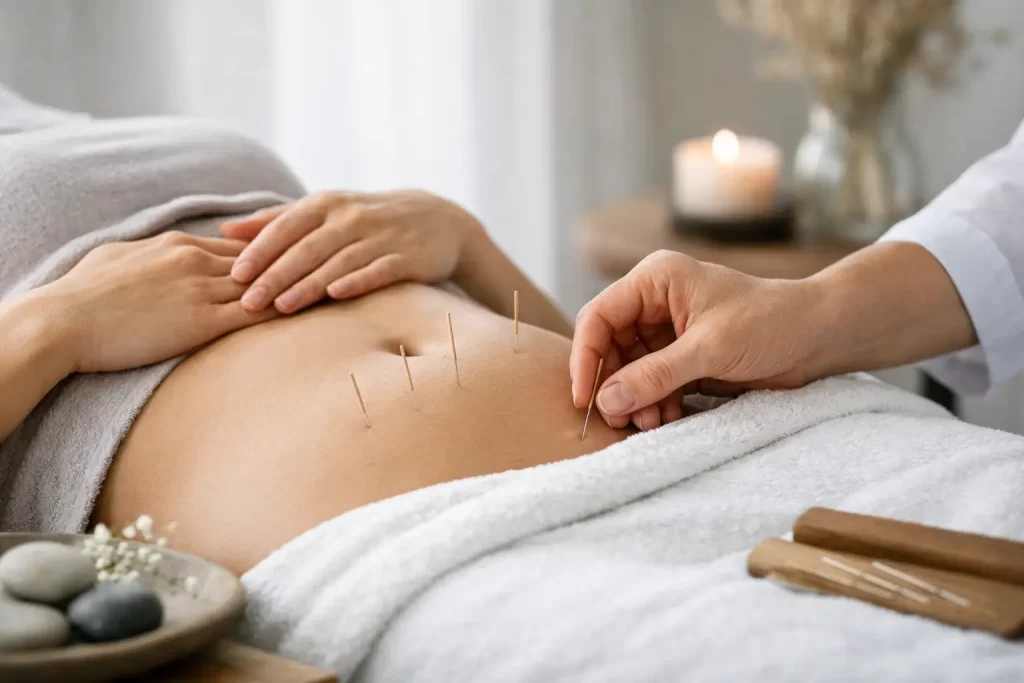
Trying to conceive can turn each month into a cycle of hope, waiting, and disappointment. For many people, acupuncture for fertility support offers something valuable during that time: personalized care that considers not only ovulation and menstrual patterns, but also sleep, stress, digestion, energy, pain, and the emotional weight of the process.
Acupuncture is not a replacement for reproductive endocrinology, gynecologic care, or recommended fertility testing. It can, however, be a thoughtful complement to medical fertility care or a natural starting point for people who want to better understand their cycles and support their overall well-being before trying to conceive.
What Acupuncture for Fertility Support Can Address
Fertility is influenced by more than one lab result or calendar date. Hormonal patterns, age, ovarian reserve, uterine factors, sperm health, thyroid function, inflammation, body weight, stress, sleep, and underlying conditions such as endometriosis or polycystic ovary syndrome can all play a role. That complexity is why a one-size-fits-all approach rarely feels adequate.
In Chinese medicine, fertility care is individualized. Your practitioner looks for patterns across your full health history, including the length and regularity of your cycle, flow, cramping, PMS, cervical mucus, prior pregnancies, medical diagnoses, medications, digestion, mood, sleep, and daily demands. The goal is to create a treatment plan tailored to what your body needs now.
People often seek acupuncture when they are experiencing irregular cycles, painful periods, PMS, stress, poor sleep, fatigue, unexplained infertility, or a known diagnosis that is affecting conception. Others begin treatment while preparing for intrauterine insemination (IUI), in vitro fertilization (IVF), or frozen embryo transfer.
A Complement, Not a Promise
It is reasonable to want clear answers when you are investing time, money, and emotion into fertility care. Acupuncture may help some patients feel more regulated, sleep better, experience less stress, or have improved cycle-related symptoms. Research on acupuncture and fertility outcomes, particularly IVF live-birth rates, is mixed. Results vary based on the study design, the timing and frequency of treatment, the underlying fertility diagnosis, and the care patients receive alongside acupuncture.
That does not make acupuncture irrelevant. It means it should be approached honestly: as supportive, individualized care rather than a guarantee of pregnancy. A skilled practitioner can help you set realistic goals and coordinate with your medical team when appropriate.
How Acupuncture May Support the Fertility Journey
Acupuncture involves placing very thin, sterile needles at specific points on the body. Many patients find treatments deeply calming. Some notice a sense of relaxation during the appointment itself, while others report that they sleep more soundly or feel less physically tense over time.
For fertility support, treatment plans often focus on promoting healthy circulation, easing muscle tension, supporting nervous system regulation, and addressing symptoms that can make the process harder to navigate. Chronic stress does not explain every fertility challenge, and no one should be blamed for being stressed. Still, when the body is constantly in a heightened state, it can be difficult to rest, eat consistently, sleep well, and feel connected to your own needs.
Acupuncture can create a regular space to step out of that cycle. For a busy professional in Atlanta, that may be one of the most practical benefits: an appointment that supports the body while also making room for a calmer, more sustainable rhythm.
Chinese herbal medicine may also be considered in some cases. High-quality herbal formulas are selected based on your individual pattern and should be reviewed carefully in the context of your fertility medications, supplements, and treatment plan. Herbs are not appropriate at every stage, especially around certain IVF protocols or after a positive pregnancy test. Clear communication between providers matters.
What Treatment May Look Like
Your first visit should be comprehensive, not rushed. At Acupuncture Atlanta, fertility-focused care begins with a detailed conversation about your health history, current concerns, menstrual cycle, prior testing, medications, supplements, lifestyle, and goals. This helps your practitioner understand the complete picture rather than treating a fertility concern in isolation.
The acupuncture treatment itself is usually restful. Needles are placed gently, and you will rest comfortably while your practitioner monitors your response. Depending on your needs, care may also incorporate gentle electrical stimulation, cupping, gua sha, or carefully selected herbal support. Not every modality is needed for every person. The plan should reflect your body, comfort level, and stage of care.
Frequency depends on the situation. Someone preparing to conceive naturally may begin with weekly treatments for several months, while a patient undergoing IVF may have a schedule coordinated around medication, retrieval, or transfer dates. Patients with significant stress, insomnia, painful periods, or irregular cycles may benefit from more consistent care at the beginning.
Progress is not always measured only by a pregnancy test. Changes such as improved sleep, less severe PMS, more regular cycles, reduced pain, steadier energy, or feeling more emotionally supported can be meaningful signs that the body is responding to care. Those gains may matter whether you continue with natural conception, fertility treatment, or another path forward.
When Medical Evaluation Should Come First
Acupuncture can work alongside conventional care, but it should not delay appropriate evaluation. Consider speaking with an OB-GYN or reproductive endocrinologist if you are under 35 and have been trying to conceive for 12 months, are 35 or older and have been trying for six months, or are over 40 and want to begin a conversation sooner.
Earlier evaluation is also wise if you have very irregular or absent periods, known endometriosis, prior pelvic infection, recurrent pregnancy loss, a history of ectopic pregnancy, pelvic surgery, cancer treatment, or concerns about male-factor fertility. Fertility is a shared concern, and semen analysis can be an important part of a couple’s assessment.
If you are already working with a fertility specialist, let both teams know about all treatments, herbs, vitamins, and medications you use. Integrative care works best when it is coordinated, transparent, and centered on your safety.
Questions to Ask Before Starting
The right fertility acupuncturist should welcome your questions. Ask about their experience supporting patients with cycle concerns, IVF, IUI, endometriosis, PCOS, or recurrent loss if those situations apply to you. Ask how they tailor treatment, how they handle herbal recommendations alongside medications, and what a realistic treatment timeline may look like.
You should also feel comfortable discussing cost, appointment frequency, and your emotional bandwidth. Fertility support should not add another source of pressure to an already demanding process. A good plan is one you can realistically follow and adjust as your needs change.
Caring for Yourself Between Visits
Acupuncture is most helpful when it fits into a larger foundation of care. That does not mean pursuing perfection or following an overwhelming set of fertility rules. It means returning to basics that support your well-being: regular meals with adequate protein and nourishing foods, gentle movement you enjoy, consistent sleep, hydration, and breaks from the constant stream of fertility information online.
It can also mean setting limits around conversations or social events that feel especially difficult right now. Emotional care is health care. Whether you lean on a partner, friend, therapist, support group, faith community, or trusted practitioner, you deserve support that makes room for the full experience.
There is no single correct path through fertility care. A personalized acupuncture plan can offer a steadier place to begin – one that listens closely to your history, supports your vitality, and helps you feel cared for as you decide what comes next.