Acupuncture Atlanta Cupping Therapy Services Explained
A stubborn knot between the shoulders, a low back that never quite releases, or the heavy, worn-down feeling that follows weeks of stress can be more than a simple inconvenience. Atlanta cupping therapy services offer a time-tested, hands-on way to address areas of tension while supporting the body’s broader recovery process. For many patients, cupping is not a stand-alone fix. It is one thoughtful part of a personalized plan for pain, mobility, stress-related symptoms, and renewed vitality.
What Is Cupping Therapy?
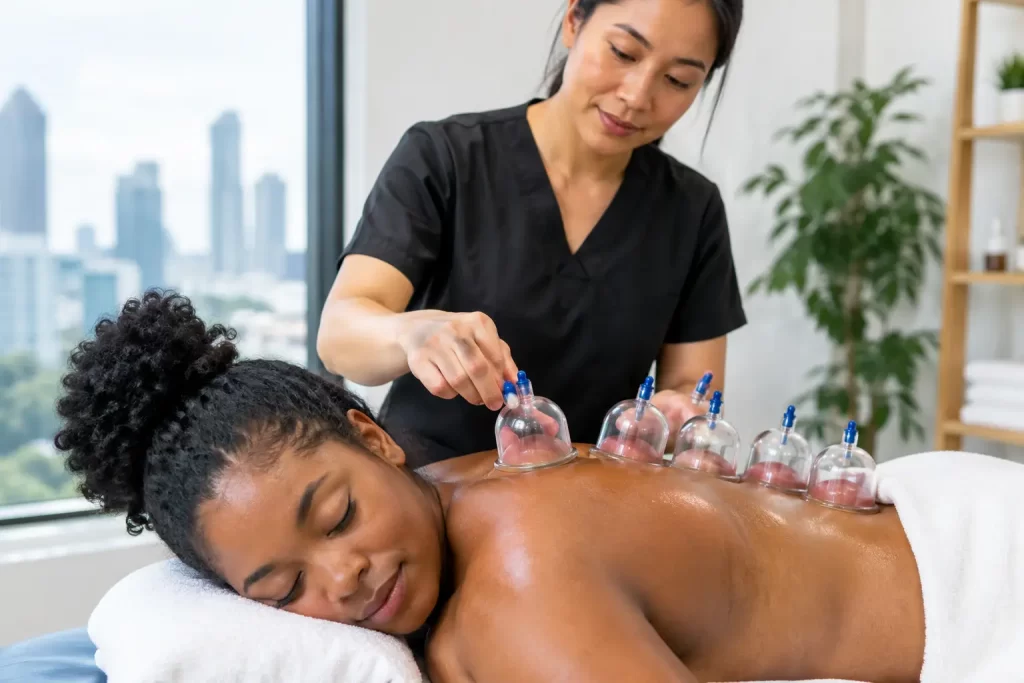
Cupping is a traditional East Asian therapeutic technique that uses specialized cups to create gentle suction on the skin. Rather than applying downward pressure like massage, the cups lift the tissue slightly. This may help encourage local circulation, ease fascial and muscle tightness, and create a feeling of release in restricted areas.
At an acupuncture visit, a practitioner may use glass, silicone, or plastic cups depending on the area being treated and the therapeutic goal. Cups can remain still for a few minutes, or they may be moved slowly across the skin with a small amount of oil. This moving technique is often used over broader muscular areas such as the upper back, shoulders, hips, or legs.
Cupping has a long history within Chinese medicine, where treatment is guided by the person’s full presentation rather than a diagnosis alone. Two people with neck tension may need different care: one may be dealing with long hours at a desk and poor sleep, while another may have headaches, jaw clenching, and a high level of daily stress. The treatment approach should reflect those differences.
Acupuncture Atlanta Cupping Therapy Services Are Not One-Size-Fits-All
A cup placement map cannot replace a meaningful conversation about your health. At Acupuncture Atlanta, care begins with a comprehensive health history and an understanding of what is affecting your daily life. Your practitioner considers the location and quality of discomfort, your activity level, sleep, stress, digestion, menstrual or fertility concerns when relevant, and the treatments you have already tried.
That context helps determine whether cupping is appropriate and how it may fit alongside acupuncture, Chinese herbal medicine, gua sha, electrical stimulation, dry needling, or other supportive modalities. Some patients benefit from a focused cupping session for persistent shoulder restriction. Others may receive a lighter application as part of an acupuncture treatment designed to calm the nervous system and improve sleep.
The goal is not to give every patient the same intensive treatment. It is to choose the least complicated, most appropriate approach for what your body needs at that time.
What Cupping Feels Like
Most people describe cupping as a firm pulling or stretching sensation. It can feel unusual at first, particularly over a very tight muscle, but it should not feel sharply painful. Communication matters throughout treatment. If the pressure is too strong or an area feels overly sensitive, your practitioner can adjust the suction, move the cups, or choose another technique.
Afterward, many patients feel looser, warmer, or more mobile in the treated area. Some notice temporary soreness similar to what they might feel after a deep massage or a new workout. Responses vary, and lasting improvement often depends on the underlying cause of the tension, your overall health, and whether you need a series of treatments rather than a single visit.
Why Cupping Can Leave Marks
Cupping may leave circular red, purple, or darker marks on the skin. These are not the same as bruises caused by an injury. They are a common response to suction and usually fade over several days to about two weeks, depending on your skin, circulation, and the intensity of treatment.
The marks do not need to be dark for cupping to be beneficial. More pressure is not automatically better. If you have an event, vacation, or work situation where visible marks would be inconvenient, mention that before treatment. Your practitioner can often adjust the technique or focus on areas that are easier to keep covered.
When Cupping May Be Helpful
Cupping is frequently used to support people with muscular tension and movement-related discomfort, especially in the neck, shoulders, upper back, hips, and legs. It may be a useful complement for active adults recovering from overuse, professionals who hold stress in their shoulders, or people whose discomfort returns after long stretches of sitting.
It can also be considered within a broader plan for recurring headaches, stress-related tightness, fatigue, and the body aches that can accompany poor sleep. That does not mean cupping is the right answer for every headache or every painful condition. Severe, sudden, unexplained, or worsening symptoms deserve prompt medical evaluation. Integrative care works best when it respects both traditional therapeutic principles and appropriate medical guidance.
For some patients, the most meaningful benefit is not dramatic immediate relief. It may be noticing that their shoulders no longer climb toward their ears at the end of the workday, that they recover more comfortably after exercise, or that they become more aware of the patterns contributing to tension in the first place.
How Cupping Works With Acupuncture and Herbs
Cupping can be particularly effective when it is used as part of an individualized treatment plan rather than in isolation. Acupuncture may help address pain patterns, stress, sleep disruption, and other concerns that influence how the body holds tension. Cupping can add a localized, hands-on component when muscles or connective tissue feel restricted.
Chinese herbal formulas may also be recommended when appropriate, especially when a patient’s concerns extend beyond one sore area. A person experiencing recurring tension alongside poor sleep, anxious feelings, digestive changes, or low energy may need support that considers the whole pattern. High-quality natural formulas are selected carefully and should be matched to your individual history, medications, and goals.
This integrated approach is especially valuable when symptoms are persistent. If tightness keeps returning, the question is not only, “How do we loosen this muscle today?” It is also, “What is continuing to drive this pattern?” The answer may involve posture, workload, recovery habits, sleep, stress, prior injury, or several factors at once.
Safety, Timing, and When to Wait
Cupping is generally well tolerated when provided by a trained practitioner, but it is not appropriate for every person or every area of the body. Your practitioner should know about blood-thinning medications, bleeding disorders, skin conditions, recent injuries, pregnancy, major health changes, and any history of fainting with needles or bodywork.
Cupping is usually avoided over broken, irritated, infected, or sunburned skin. It may also need to be modified or postponed if you are feeling acutely unwell, have a fever, or have unusually sensitive skin. If you are pregnant, your care should be specifically adapted to your stage of pregnancy and health history.
After treatment, drink water, allow yourself a little recovery time, and avoid exposing treated skin to intense heat or friction right away. Gentle movement is often welcome, but a demanding workout immediately after a deeper session may not feel ideal. Listen to your body and share any unexpected response with your practitioner.
What to Expect at Your First Visit
If you are new to acupuncture or cupping, you do not need to arrive knowing exactly which modality you need. Come prepared to talk about your primary concerns, health history, current medications or supplements, and what you hope to improve. Wear or bring comfortable clothing that allows access to the area being treated when possible.
Your first appointment is a chance to be heard, not rushed through a preset service. A practitioner may recommend cupping that day, suggest acupuncture alone, or develop a plan that introduces complementary therapies over time. The right choice depends on your symptoms, comfort level, and clinical needs.
Lasting well-being is often built through small, consistent changes: a body that moves with less restriction, sleep that becomes more restorative, and care that responds to the full person rather than one isolated symptom. When tension has become part of your routine, personalized treatment can offer a calm, practical place to begin moving back toward health and vitality.