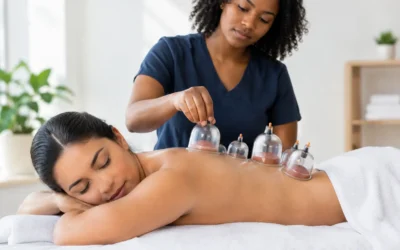
Cupping Aftercare Guide: What to Do Next
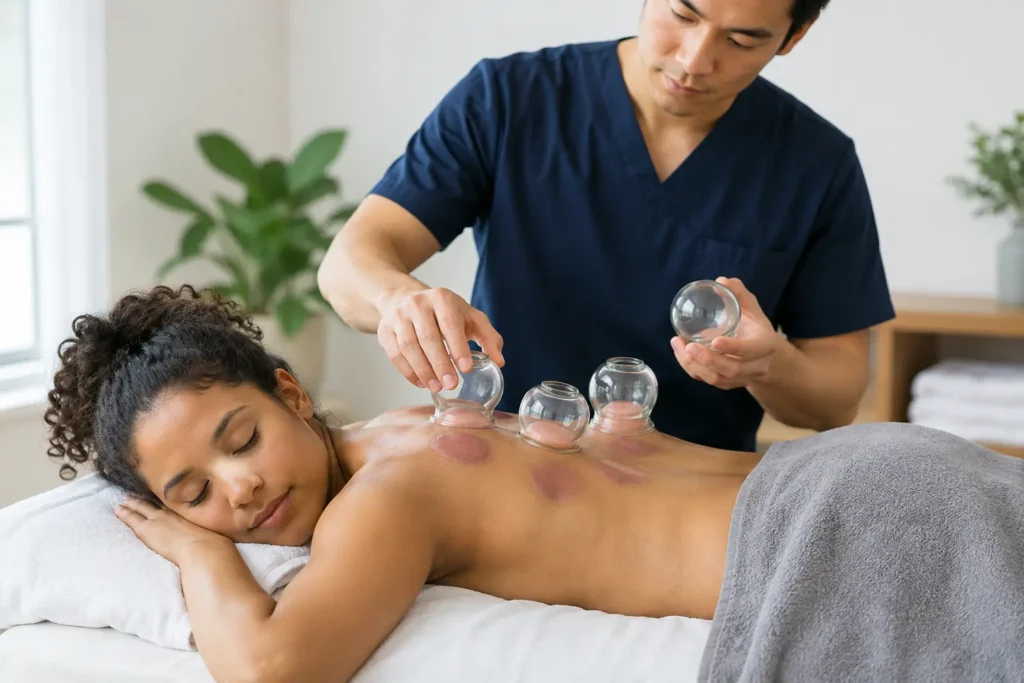
Those circular marks can look dramatic the first time you see them, especially before a work meeting, a weekend event, or a day at the pool. A thoughtful cupping aftercare guide helps you understand what your body may be doing after treatment, how to stay comfortable, and when to check in with your practitioner.
Cupping is often used alongside acupuncture to support circulation, ease areas of muscular tightness, and encourage the body’s natural recovery process. Your experience is individual: the location of the cups, the amount of suction, the length of treatment, your current health, and even your stress and sleep levels can affect how you feel afterward. The instructions from your practitioner should always take priority, particularly if you have a health condition or are using medication.
What Is Normal After Cupping?
After dry cupping, it is common to have round or oval marks where the cups were placed. These are not traditional bruises caused by an impact. The suction draws blood closer to the skin’s surface, and the resulting color may range from light pink to deep red, purple, or brown. Darker marks do not automatically mean something is wrong, nor do they measure the quality or success of a treatment.
The marks may feel mildly tender, warm, tight, or itchy for a day or two. Some people feel relaxed and sleepy after a session; others notice a temporary sense of fatigue, thirst, or increased awareness in the area that was treated. If cupping was used for neck, shoulder, back, or hip tension, the muscles may feel as though they have had a focused workout.
Most marks fade over several days to two weeks. Their timeline varies from person to person and can be influenced by circulation, hydration, skin tone, the intensity of suction, and how recently the same area was treated. Plan ahead if you have an occasion where you prefer your skin to be clear, and let your practitioner know.
Cupping Aftercare Guide: The First 24 Hours
Think of the first day after cupping as a time to support recovery rather than push through a demanding routine. Drink water regularly, eat nourishing meals, and give yourself permission to slow down if your body is asking for rest. Hydration will not erase cup marks overnight, but it supports your overall circulation and recovery.
Keep the treated area comfortably warm. A warm shower is generally fine if it feels good, but avoid very hot showers, hot tubs, saunas, steam rooms, and intense sun exposure on the cupped areas for about 24 hours. Skin can be temporarily more sensitive after treatment, and excessive heat may increase irritation.
Choose gentle movement over strenuous exercise. An easy walk, light stretching, or relaxed mobility work can feel supportive, especially when cupping has been used for muscle tension. Save heavy lifting, high-intensity training, and long endurance sessions for another day if the treated area feels sore or tender. The right choice depends on why you received cupping and how your body responds.
It is also wise to avoid alcohol for the rest of the day when possible. Alcohol can contribute to dehydration and may make it harder to notice what your body needs. If you are receiving care for stress, sleep concerns, headaches, or ongoing pain, a quieter evening may help extend the restorative effect of your session.
Caring for Cupping Marks and Sensitive Skin
Resist the urge to scrub, exfoliate, or massage the cup marks aggressively. The skin needs time to settle. Use a gentle, fragrance-free moisturizer if the area feels dry, but skip harsh topical products, strong essential oils, retinoids, or exfoliating acids on sensitive skin until the tenderness has resolved.
Wear loose, soft clothing when possible, particularly if cups were used on your back, shoulders, hips, or thighs. Tight straps, waistbands, or rough fabrics can rub against tender skin and make the area feel more irritated than it needs to.
Sun protection matters. If the treated area will be exposed outdoors, cover it with clothing or use sunscreen once the skin is intact and no longer irritated. Fresh cup marks can be more noticeable after sun exposure, and protecting your skin is part of caring for it well.
Do not use ice directly on cup marks unless your practitioner specifically recommends it. While cooling may seem like the obvious choice for discoloration, many people find gentle warmth and rest more comfortable after cupping. Your treatment plan may call for different care, particularly when inflammation, an acute injury, or a skin concern is involved.
When to Resume Exercise, Massage, and Other Treatments
For many patients, normal daily activity can resume right away. The question is less about a universal rule and more about how your body feels. If you feel energized and the area is comfortable, gentle activity is usually reasonable. If you feel depleted, dizzy, sore, or unusually tired, rest and reassess the next day.
Wait until tenderness has eased before booking a deep-tissue massage over the same area. Strong pressure immediately after cupping can be uncomfortable and may irritate already sensitive tissue. Similarly, avoid additional heat-based body treatments on the cupped area for a day or two unless they are part of a coordinated plan from your provider.
If you are combining cupping with acupuncture, Chinese herbal medicine, dry needling, or another integrative therapy, your practitioner can help you decide on timing. Personalized care matters here. Someone receiving treatment for recurring migraines may need different guidance than an athlete managing a tight calf or a person seeking support for stress-related neck tension.
Symptoms That Deserve a Call to Your Practitioner
Mild marks and brief soreness are expected for many people. Severe or worsening pain, blistering, significant swelling, spreading redness, drainage, fever, or skin that feels hot to the touch are not typical aftercare concerns and should be evaluated promptly. Contact your practitioner for guidance if any of these occur.
Also check in if you develop a rash, hives, persistent numbness, dizziness that does not improve with rest and fluids, or marks that concern you. If you experience trouble breathing, facial swelling, chest pain, fainting, or signs of a serious allergic reaction, seek urgent medical care rather than waiting for a return call.
Before future sessions, tell your practitioner about any unusual response. This does not necessarily mean cupping is off the table. It may mean using lighter suction, fewer cups, a shorter treatment time, or choosing another modality that better fits your needs that day.
Help Your Practitioner Personalize Your Care
A productive cupping session begins with honest communication and continues after you leave the treatment room. Let your practitioner know if you bruise easily, have sensitive skin, are pregnant, take blood-thinning medication, have a bleeding disorder, or have a history of skin reactions. Cupping may need to be modified or avoided over certain areas in these situations.
At your next visit, share how long your marks lasted, whether you slept better or felt more sore, and how the original concern responded. These details help shape a treatment plan that is truly tailored to you instead of relying on a standard protocol. At Acupuncture Atlanta, that whole-person conversation is part of helping patients get back on track to health and vitality.
Your aftercare does not need to be complicated. Give your body water, warmth, gentle movement, and a little space to recover – then let your response guide the next step with your practitioner.