Does Cupping Help Back Pain? What to Know
A tight lower back after hours at a desk, an ache between the shoulder blades after a stressful week, or recurring stiffness that makes sleep difficult can all leave you looking for relief that feels both effective and natural. So, does cupping help back pain? For some people, it can be a useful part of a personalized pain-care plan, particularly when muscle tension, restricted movement, and stress are contributing to discomfort. It is not a cure-all, and the best results often come when cupping is used thoughtfully alongside acupuncture, movement, and appropriate medical care.
What cupping does for tight, painful muscles
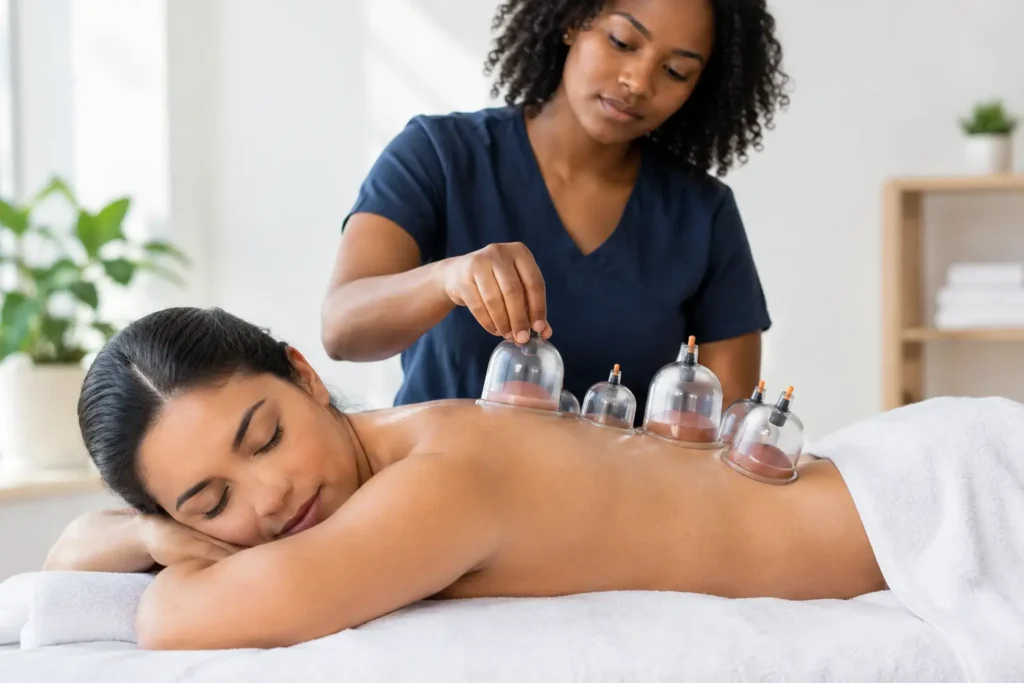
Cupping is a traditional therapy that uses cups to create gentle suction on the skin. Depending on the technique, cups may stay in place for several minutes or be glided across the back with oil. The sensation is often described as a firm pulling or lifting feeling rather than the downward pressure of massage.
For back pain, practitioners commonly use cupping over areas of muscle tightness in the upper back, shoulders, mid-back, or low back. The suction can encourage local circulation and help tissues that feel guarded, congested, or chronically tense begin to relax. Many patients notice a sense of warmth, easier movement, or reduced tightness after a session.
Cupping also offers a different kind of input to the nervous system. Persistent pain can make the body protective: muscles brace, breathing becomes shallow, and small movements start to feel threatening. A calm, well-paced treatment may help shift that pattern. This is one reason someone whose back pain flares during periods of stress may find cupping especially supportive.
Does cupping help back pain according to research?
Research on cupping for pain is promising but still developing. Some studies and reviews suggest that cupping may reduce pain intensity and improve function for certain musculoskeletal conditions, including nonspecific low back pain and neck or shoulder discomfort. However, study quality varies, treatment methods differ, and researchers still need larger, well-designed trials to clarify who benefits most and how long results last.
That means cupping should be viewed as a potential tool, not a guaranteed solution. It may offer meaningful short-term relief for muscular pain, stiffness, and limited range of motion. For lasting improvement, the underlying drivers of back pain matter just as much. These may include repetitive strain, prolonged sitting, an old injury, sleep disruption, emotional stress, deconditioning, or a movement pattern that repeatedly overloads one area.
At Acupuncture Atlanta, care begins with listening to the full story. Rather than assuming every sore back needs the same treatment, a practitioner considers where the pain is located, when it began, what makes it better or worse, how it affects sleep and daily activity, and whether stress or other health concerns may be involved. Cupping may be included when it fits the individual, or another approach may be a better match.
When cupping may be a good fit
Cupping is often most helpful for back pain that feels muscular. You may notice knots, pulling, soreness, or a dull ache that worsens after sitting, driving, working at a computer, lifting, or exercising. It can also be useful when the upper back and shoulders feel chronically tight and contribute to tension headaches or neck discomfort.
People sometimes seek cupping after a strenuous workout or after a period of travel, poor sleep, or unusually high stress. In these situations, the goal is not simply to chase the sore spot. Treatment can support the body’s recovery response while helping reduce the tension that has accumulated around the painful area.
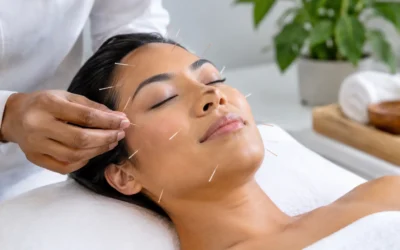
Cupping may also complement acupuncture. Acupuncture can address pain patterns through precisely placed needles, while cupping can provide broader work across tight tissues. Depending on your needs, treatment may include electrical stimulation, gentle bodywork techniques, Chinese herbal support, or practical guidance around rest, movement, and self-care. The combination is tailored, not automatic.
What a cupping session feels like
A qualified practitioner will first assess your symptoms and examine the areas that need attention. Cups are then placed on the skin, usually on the back, and suction is adjusted to a level that feels therapeutic but manageable. Stronger is not always better. The right intensity depends on your sensitivity, tissue condition, and treatment goals.
You may feel a stretching sensation and a gradual softening in the muscles beneath the cups. If cups are moved, the sensation can feel like slow, broad pulling across the tissue. Let your practitioner know if anything feels sharp, overly painful, or uncomfortable. Good treatment is collaborative, and your feedback helps guide the session.
Cupping commonly leaves temporary circular marks. These are not bruises from blunt-force injury, though they can resemble bruising in color. The marks reflect changes in superficial blood flow and usually fade over several days to about two weeks, depending on the person and the intensity of treatment. They are typically not painful, but the area may feel tender afterward.
When to be cautious about cupping
Cupping is not right for every person or every type of back pain. It should not be applied over open wounds, active skin infections, sunburned skin, or areas with significant inflammation. People who take blood-thinning medication, have a bleeding disorder, have certain vascular conditions, or bruise very easily should discuss those factors with a qualified healthcare professional before treatment.
Pregnancy, recent surgery, cancer treatment, and complex medical conditions call for individualized clinical judgment. A trained practitioner can help determine whether cupping can be modified safely or whether another treatment approach is preferable.
Back pain also deserves prompt medical evaluation when it comes with new weakness, numbness in the groin area, loss of bladder or bowel control, fever, unexplained weight loss, severe pain after a fall or accident, or pain that is rapidly worsening. These symptoms can point to conditions that need urgent conventional medical care. Integrative treatment works best when it supports, rather than delays, the care you need.
Getting better results between treatments
The hours after cupping are a good time to give your body some room to recover. Stay hydrated, keep the treated area comfortably warm, and choose gentle movement rather than an intense workout if you feel sore. A relaxed walk, easy stretching, or a few minutes away from the desk can help you notice and maintain the improved mobility that treatment may create.
For recurring back pain, small daily changes often matter more than one perfect exercise or one isolated treatment. Break up long periods of sitting. Adjust your workstation if your shoulders round forward or your low back collapses by late afternoon. Build strength and mobility gradually, and pay attention to sleep, stress, and recovery. Pain is rarely only about one tight muscle.
Your practitioner may recommend a series of visits when symptoms are longstanding or frequently recurring. This allows treatment to evolve as pain levels, movement, and overall resilience change. Some people use cupping periodically for maintenance, while others benefit most during a short-term flare.
A whole-person approach to back pain relief
Cupping can be a valuable addition to back pain care when it is selected for the right reason and delivered by an experienced practitioner. It may help ease muscle tension, improve comfort with movement, and create a welcome sense of release. Still, the most meaningful question is not whether cupping works in isolation, but whether it belongs in a plan built around your particular body, history, and goals.
If back pain has been keeping you from work, exercise, sleep, or the activities that make you feel like yourself, a thoughtful evaluation can offer a clearer path forward. Relief often begins with being heard, understanding the patterns behind your symptoms, and choosing care that helps you get back on track to health and vitality.