Can Acupuncture for Chronic Fatigue Help?
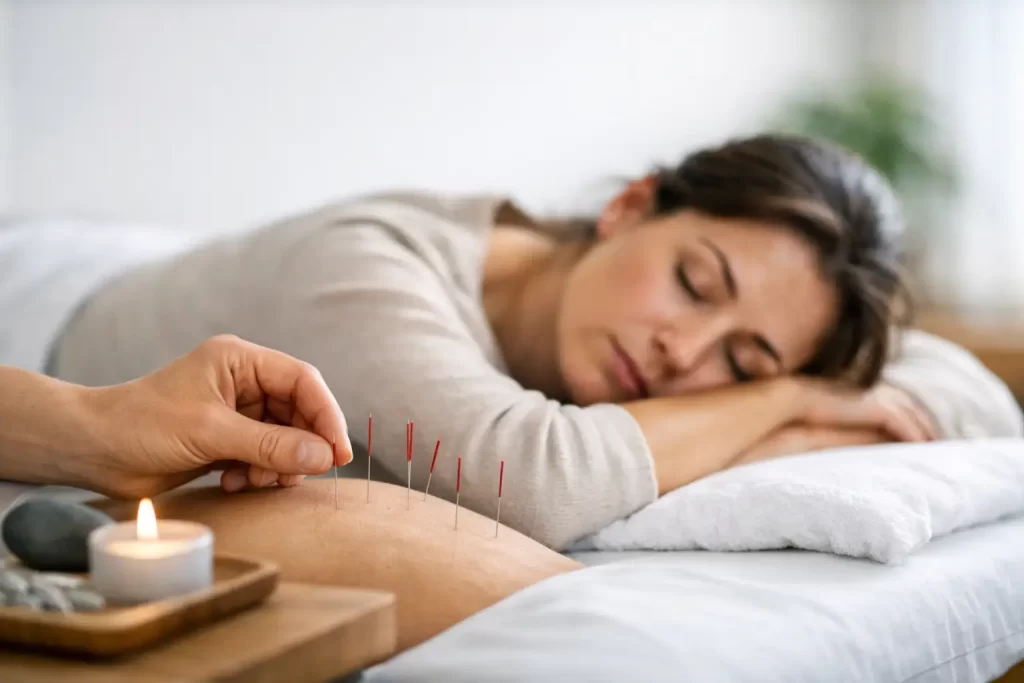
When exhaustion does not lift after a busy week, a good night of sleep, or a long weekend, it can begin to narrow every part of life. Work feels harder, exercise may feel out of reach, and even enjoyable plans can require more energy than you have. Acupuncture for chronic fatigue offers a personalized, whole-person approach that may help support energy, sleep, stress regulation, and overall resilience while you work with your medical team to understand what is behind your symptoms.
Chronic fatigue is not a character flaw or a problem to solve by simply pushing harder. It is a signal worth taking seriously. For some people, fatigue is related to chronic stress, poor sleep, pain, hormonal changes, medication effects, or recovery after illness. For others, it may be part of a diagnosed condition such as myalgic encephalomyelitis/chronic fatigue syndrome (ME/CFS). Because the causes can be broad, meaningful care starts with listening closely to your full health history.
First, rule out medical causes of persistent fatigue
Fatigue that lasts for weeks, interferes with daily life, or arrives with other symptoms deserves a medical evaluation. Your primary care provider may consider common contributors such as anemia, thyroid conditions, diabetes, sleep apnea, nutrient deficiencies, depression or anxiety, infection, autoimmune concerns, and medication side effects.
Seek prompt medical care for fatigue accompanied by chest pain, shortness of breath, fainting, new confusion, unexplained weight loss, fever, black or bloody stools, or severe weakness. Acupuncture is not a replacement for diagnosis, emergency care, or treatment for an underlying medical condition.
For people with ME/CFS, post-exertional malaise is especially relevant. This is the delayed worsening of symptoms after physical, mental, or emotional effort. A treatment plan should respect that limit. More activity is not always better, and an approach centered on pacing and gentle support may be more appropriate than one that asks the body to push through depletion.
How acupuncture for chronic fatigue may fit into care
In Chinese medicine, fatigue is not viewed as one isolated symptom. A practitioner considers patterns across the whole person: sleep quality, digestion, stress load, pain, mood, temperature sensitivity, menstrual health, appetite, and the timing of energy changes throughout the day. Two people can both say, “I am exhausted,” yet need very different care.
One person may feel wired at night and unable to sleep deeply after a demanding workday. Another may wake tired, experience brain fog after meals, and feel worse in damp or humid weather. Someone else may have low energy alongside headaches, digestive discomfort, or painful periods. This detailed picture guides point selection and the pace of treatment.
Acupuncture uses very thin, sterile needles at selected points to support the body’s regulatory systems. Many patients find sessions deeply relaxing. Depending on your needs, treatment may also include gentle electrical stimulation, cupping, gua sha, dry needling for persistent muscle tension, or Chinese herbal medicine. These modalities are chosen thoughtfully, not added automatically.
Research on acupuncture for fatigue is still developing. Studies have explored its role in fatigue associated with several health conditions, but results vary, and acupuncture should not be presented as a cure for chronic fatigue or ME/CFS. Its value often lies in the related symptoms that can make fatigue harder to manage, including disrupted sleep, stress, pain, tension, and difficulty settling the nervous system.
The symptoms around fatigue matter
Persistent fatigue rarely travels alone. When the body is spending the night in a shallow, restless sleep state, energy may never feel restored. When chronic pain keeps the nervous system on alert, everyday tasks can become more draining. When stress is constant, meals are rushed, and the mind is always anticipating the next demand, the body has little room to recover.
This is where individualized acupuncture care can be useful. Rather than treating “low energy” as a single target, treatment may focus on helping you sleep more soundly, feel less physically tense, improve digestive comfort, or create a calmer transition out of the workday. Small shifts in these areas can make a real difference in how manageable the day feels.
Chinese herbal formulas may also be considered when appropriate. Herbs are selected according to your individual pattern and should be reviewed carefully alongside medications, supplements, allergies, pregnancy plans, and medical diagnoses. Quality and professional guidance matter. Natural does not automatically mean right for everyone.
What a personalized treatment plan looks like
A first acupuncture visit should feel unhurried enough to make room for the details. Your practitioner will ask when the fatigue began, what improves or worsens it, how you sleep, what a typical day looks like, and whether you are also dealing with stress, pain, anxiety, headaches, digestive symptoms, or menstrual changes.
At Acupuncture Atlanta, this whole-person history is used to build customized treatment tailored to you. For some patients, an initial series of weekly sessions provides the consistency needed to observe how the body responds. Others benefit from a less frequent schedule or transition to maintenance visits after symptoms become more stable. The right frequency depends on severity, goals, scheduling realities, and how your system responds.
A helpful plan also includes realistic expectations. Some people notice a greater sense of calm or improved sleep after the first few visits. Steadier daytime energy may take longer, especially when fatigue has been present for months or years. Progress is often gradual and non-linear. Tracking sleep, energy, pain, mood, and activity tolerance between appointments can reveal improvements that are easy to miss day to day.
Supporting your energy between sessions
Acupuncture works best as part of a broader recovery-minded routine. The goal is not to create a perfect wellness checklist. It is to identify a few changes that reduce unnecessary strain on an already taxed system.
Start with consistency around sleep and meals where possible. A regular wake time, a quieter wind-down period, and adequate protein and hydration can offer the body more predictable support. If caffeine is making anxiety, palpitations, or insomnia worse, reducing it gradually may be more helpful than relying on another afternoon cup to get through the day.
Movement also requires nuance. Gentle walking, stretching, breathwork, or restorative yoga may help some people feel better. But if activity consistently causes a delayed crash, flu-like symptoms, pain, or worsening brain fog, it is time to scale back and discuss pacing with a qualified clinician. Recovery is not measured by how much you can force yourself to do.
It can also help to look at the energy cost of your calendar. A packed week of work demands, family responsibilities, skipped meals, and late nights can leave little capacity for healing. Protecting a few recovery windows is not indulgent. It is a practical part of caring for a body that has been running on reserve.
Questions to bring to your acupuncturist
You do not need to arrive with a complete explanation for your fatigue. Bring the information you have: recent lab work if available, a medication and supplement list, prior diagnoses, and a simple description of your hardest times of day. Share whether you experience post-exertional crashes, restless sleep, anxiety, pain, headaches, digestive changes, or changes in your cycle.
Ask how your treatment plan will be adjusted over time and what signs of progress are reasonable for your situation. A thoughtful practitioner welcomes those questions and coordinates respectfully with the rest of your healthcare team. Good integrative care leaves room for both conventional testing and the therapeutic value of being seen as a whole person.
Living with persistent fatigue can make even the process of seeking help feel exhausting. Start with one conversation and one careful assessment. A plan that honors your history, your limits, and your hope for renewed vitality can be a steady step toward feeling more at home in your body again.