Best Natural Options for Sciatica Relief

Sciatica can make an ordinary morning feel like a major task. The sharp, burning, or electric pain may begin in the low back or hip and travel through the buttock and down one leg, making sitting, driving, sleeping, or simply putting on shoes uncomfortable. When symptoms persist, many people look for the best natural options for sciatica that can ease discomfort while supporting the body’s ability to recover.
The right plan depends on what is irritating the sciatic nerve in the first place. A disc problem, spinal narrowing, muscle tension around the hip, arthritis, pregnancy-related changes, and prolonged sitting can all create similar symptoms. Natural care can be very helpful, but it works best when it is individualized rather than treated as a one-size-fits-all checklist.
Start with the right perspective on sciatica
Sciatica is not a diagnosis by itself. It describes a pattern of symptoms involving the sciatic nerve or the nerve roots that contribute to it. Some people feel mostly leg pain; others notice tingling, numbness, weakness, or a deep ache in the buttock. The pain may be worse after sitting, bending forward, coughing, or standing for long periods.
That distinction matters because the movement that helps one person may aggravate another. For example, a forward fold may feel relieving for someone with tight posterior hip muscles but can worsen symptoms for someone whose pain is sensitive to spinal flexion. The goal is not to force a stretch or push through pain. It is to identify what calms the irritated area and gradually rebuilds comfortable movement.
Gentle movement is often better than prolonged rest
When sciatica flares, bed rest can seem like the logical choice. A brief period of rest may be appropriate during severe pain, but staying still for days can lead to more stiffness, muscle guarding, and reduced confidence with movement. In many cases, gentle, frequent movement is a more useful place to begin.
Short walks on level ground can help circulation and keep the hips and low back from becoming more rigid. Start with a duration that does not significantly increase symptoms, even if that is only five or ten minutes. Several short walks may feel better than one longer outing.
Simple position changes throughout the workday also matter. If you sit at a desk, stand up every 30 to 60 minutes, take a few easy steps, and avoid sitting on a wallet or phone in a back pocket. When driving, adjust the seat so you are not reaching for the pedals and consider a small lumbar support if it feels comfortable.
Choose mobility over aggressive stretching
Stretching can help when tight muscles are part of the picture, especially around the glutes, hip flexors, and hamstrings. But strong hamstring stretches, deep twists, and forceful yoga poses can irritate a sensitive nerve. A useful rule is to stay in a gentle range and stop if pain begins traveling farther down the leg, becomes sharper, or leaves you worse later that day.
A physical therapist, experienced movement professional, or qualified clinician can help determine whether nerve glides, hip mobility, core stabilization, or another approach is appropriate. This is especially valuable when symptoms have lasted more than a few weeks or keep returning.
Use heat or cold according to your symptoms
Heat and cold are simple tools, but they are not interchangeable for everyone. A cold pack may be soothing during an acute flare, particularly when the area feels inflamed, hot, or freshly aggravated. Apply it through a cloth for short periods, generally 10 to 15 minutes at a time, to protect the skin.
Gentle heat may be more helpful for ongoing muscle tension, stiffness, or the protective tightening that often develops around the low back and hip. A warm bath, heating pad, or warm shower can make it easier to move comfortably. Avoid falling asleep on a heating pad, and do not use either heat or cold over areas with reduced sensation unless a clinician has advised you to do so.
The best choice is the one that leaves you feeling more mobile and less guarded afterward. If neither helps, that is useful information to bring to your care provider.
Acupuncture for sciatica: a personalized natural option
Acupuncture is commonly used in integrative pain care because it can address both the pain experience and the muscle tension patterns that may be contributing to it. Very fine needles are placed at carefully selected points, which may include areas near the low back and hip as well as points farther away on the arms or legs. Treatment is tailored to the person, not only to the location of pain.
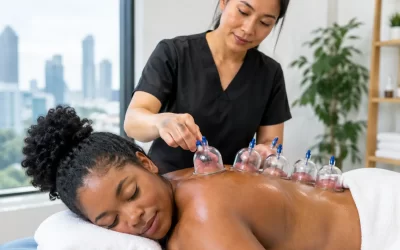
For sciatica, an acupuncture plan may focus on reducing pain sensitivity, improving local circulation, easing muscle guarding, and supporting more comfortable movement. Some patients also benefit from complementary modalities such as electrical stimulation, cupping, gua sha, or dry needling when clinically appropriate. These are not automatically included in every treatment. The choice should follow a thorough history, examination, and conversation about your symptoms and health goals.
At Acupuncture Atlanta, care begins with that broader picture: when the pain started, what makes it better or worse, how you sleep, your stress level, past injuries, medications, and other health concerns. This whole-person approach can be particularly helpful when pain has begun affecting mood, energy, work, or sleep.
Support sleep without forcing a “perfect” position
Sciatica often feels louder at night because there are fewer distractions and because certain positions place more pressure on an already sensitive area. There is no universal best sleep posture, but small adjustments can make a meaningful difference.
Side sleepers may find relief with a pillow between the knees to keep the hips more level. Back sleepers can try a pillow under the knees, which may reduce strain through the low back. If lying on the stomach increases pain, it is usually worth choosing another position when possible. The goal is a position that allows the body to relax, not a rigid posture you have to maintain all night.
Poor sleep can also lower pain tolerance the next day. A consistent wind-down routine, reduced late-night screen time, and gentle breathing before bed may not resolve nerve irritation on their own, but they can support the nervous system while you recover.
Consider herbs and supplements carefully
Many people are interested in natural anti-inflammatory support, but “natural” does not automatically mean safe for every person. Chinese herbal medicine may be considered as part of an individualized treatment plan, particularly when pain occurs alongside sleep disruption, stress, digestive concerns, or other patterns that influence recovery.
Herbal formulas should be selected by a qualified practitioner who understands your full health history and current medications. This is especially important if you take blood thinners, blood pressure medication, diabetes medication, or multiple supplements, or if you are pregnant, nursing, preparing for surgery, or managing liver or kidney disease.
A balanced diet, adequate hydration, and regular meals can also support recovery. They are not a quick fix for sciatica, but they help provide the steady energy needed for movement, sleep, and tissue repair.
When natural care needs medical evaluation
Natural options can be part of a thoughtful sciatica plan, but some symptoms require prompt medical attention. Seek urgent care for new loss of bowel or bladder control, numbness in the groin or saddle area, rapidly worsening leg weakness, severe pain after significant trauma, fever with back pain, or unexplained weight loss.
It is also wise to arrange a medical evaluation when symptoms are severe, persist despite self-care, or are accompanied by progressive numbness or weakness. Imaging is not necessary for every episode of sciatica, but a clinician can help determine when it is appropriate and whether another condition needs to be ruled out.
Lasting relief often begins with listening closely to the pattern of your pain instead of fighting it. A calm, individualized plan that combines appropriate movement, restorative habits, and skilled care can help you move toward greater comfort, confidence, and vitality.